Top 5 Tech News Highlights
In a week packed with groundbreaking developments, the tech world buzzes with innovations in mobile hardware, international partnerships, and AI advancements. From Apple’s latest iPhone revelations to geopolitical shifts in chip supply chains, these stories capture the pulse of global technology. This roundup spotlights the top five tech news items from September 11 to 17, 2025, focusing on impacts for mobile, tablet, and PC users worldwide. Stay informed as these events shape the future of connectivity, computing, and digital ecosystems.
1. Apple Unveils iPhone 17 Lineup Amid High Anticipation
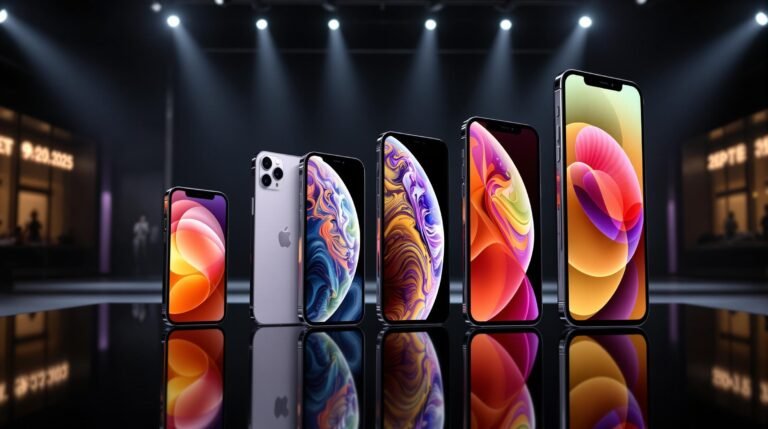
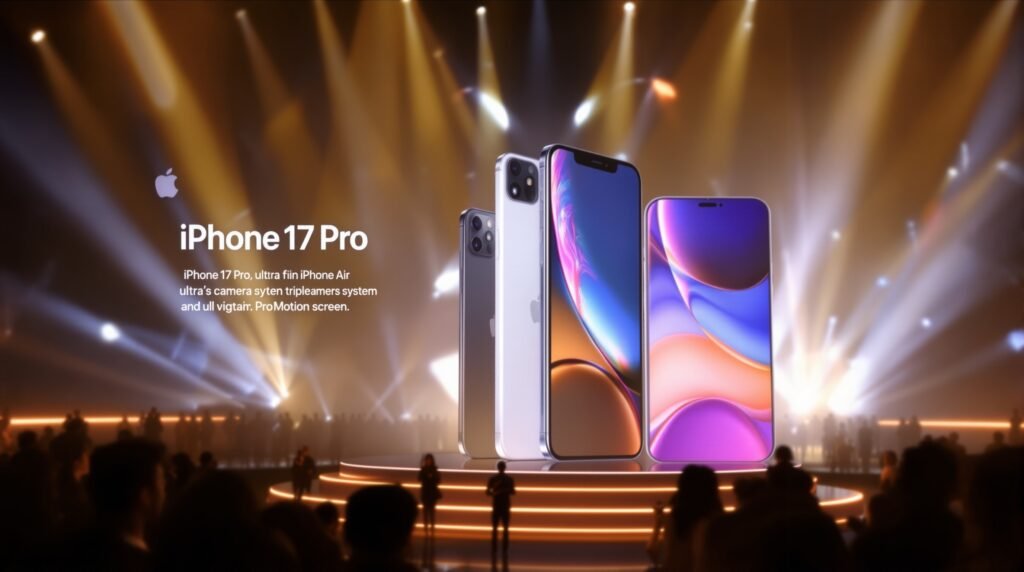
Apple captivates the global tech audience once again as it launches the iPhone 17 series, including the standard iPhone 17, iPhone 17 Pro, and the sleek iPhone Air. Reviewers from leading outlets dive deep into the devices’ features, highlighting enhanced AI integration, improved battery life, and revolutionary camera systems that push mobile photography boundaries. The Verge team, for instance, hosts a live AMA session to address user queries, emphasizing the iPhone 17 Pro’s free review access for the day. This launch aligns with Apple’s strategy to dominate the premium smartphone market, where users demand seamless performance across mobile, tablet, and PC ecosystems.
Experts praise the iPhone 17’s A19 chip, which boosts processing speeds by up to 30% compared to its predecessor, enabling advanced on-device AI tasks like real-time language translation and personalized content curation. The iPhone Air, positioned as a lighter alternative, appeals to users seeking portability without sacrificing power. Global consumers in regions like North America, Europe, and Asia snap up pre-orders, with analysts predicting record sales figures. This event not only reinforces Apple’s ecosystem lock-in but also influences competitors like Samsung and Google to accelerate their innovations.
Beyond hardware, Apple integrates new software features in iOS 19, such as enhanced privacy controls and cross-device continuity for tablets and PCs. Users experience smoother transitions when switching from iPhone to iPad or Mac, making multitasking effortless. Industry watchers note that this release could shift market dynamics, with potential ripple effects on app developers and accessory manufacturers. For more details, explore the full reviews on The Verge. Additionally, a YouTube video outlines top headlines including the iPhone 17.
2. UK and US Forge $42 Billion Tech Pact During Trump’s State Visit
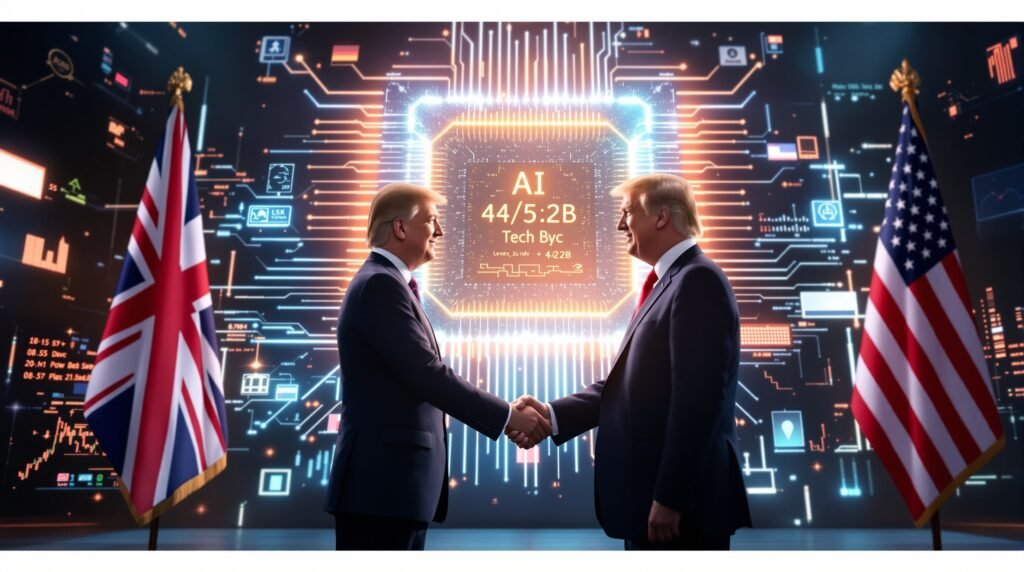
Leaders from the UK and US seal a monumental tech agreement valued at $42 billion, marking a pivotal moment in transatlantic collaboration. President Donald Trump, during his state visit to Britain, announces the deal, which promises substantial investments in AI, cybersecurity, and semiconductor manufacturing. This pact aims to bolster technological sovereignty and reduce reliance on foreign suppliers, benefiting global users of mobile devices, tablets, and PCs through enhanced data security and innovation.
The agreement fosters joint research initiatives, enabling faster development of next-generation chips that power everything from smartphones to high-end gaming PCs. UK officials highlight potential billions in economic growth, with new jobs in tech hubs like Silicon Fen and Silicon Valley. For everyday users, this means more reliable supply chains, potentially lowering costs for devices amid ongoing global chip shortages. The deal also addresses cybersecurity threats, incorporating advanced protocols to protect personal data across devices.
Sky News reports that the pact emerges from high-level negotiations, positioning both nations as leaders in ethical AI deployment. Bloomberg details the “ground-breaking” nature of the agreement, emphasizing its role in countering competitive pressures from Asia. Tech enthusiasts worldwide watch closely, as this could accelerate advancements in augmented reality for tablets and quantum computing for PCs. Dive deeper into the implications via Bloomberg.

3. China Directs Tech Firms to Halt Purchases of Nvidia’s AI Chips
Chinese authorities instruct major tech companies to cease acquiring Nvidia’s advanced AI chips, escalating tensions in the global semiconductor landscape. This directive, reported by the Financial Times, targets firms like Alibaba and Tencent, urging them to pivot toward domestic alternatives amid US export restrictions. The move impacts AI development for mobile apps, cloud computing, and PC-based machine learning, potentially slowing innovation in these sectors.
Analysts warn that this shift could disrupt supply chains, affecting global users who rely on Nvidia-powered GPUs for gaming PCs and AI-enhanced tablets. Chinese firms accelerate investments in homegrown chips from companies like Huawei, aiming to achieve self-sufficiency. This policy reflects broader geopolitical strategies, where tech becomes a battleground for economic dominance.
Reuters covers the story, noting the immediate market reactions with Nvidia shares dipping in response. For consumers, this might lead to diversified AI tools, but short-term delays in features like real-time video editing on mobile devices. Experts predict a bifurcated tech ecosystem, with Western and Eastern standards diverging. Read the full report on Reuters. Related discussions on AI’s trade boost appear in GTR Review.
4. Jack Ma Reemerges to Boost Alibaba’s Tech Ambitions
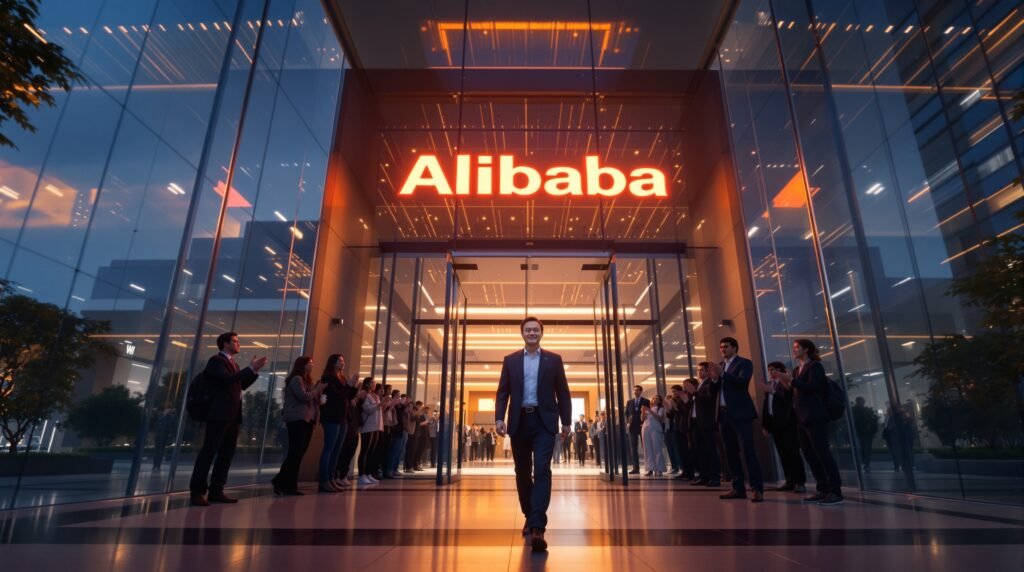
Jack Ma, the enigmatic founder of Alibaba, makes a triumphant return to the company’s campuses, signaling a revival for the Chinese tech giant. After years out of the spotlight following a controversial speech, Ma engages with employees to inspire innovation in e-commerce, cloud services, and AI. This comeback energizes Alibaba’s efforts in mobile commerce and PC-based enterprise solutions, targeting global markets.
Bloomberg reports that Ma’s presence aims to reinvigorate morale and strategic direction, potentially leading to new features for Alibaba’s apps on smartphones and tablets. His return coincides with China’s push for tech self-reliance, influencing how global users interact with Alibaba’s ecosystem, including cross-border shopping platforms. Analysts foresee accelerated AI integrations, enhancing personalized recommendations for PC and mobile shoppers.
This development underscores resilience in the tech sector, with Ma’s influence extending to partnerships that could benefit tablet users through better content delivery. For in-depth analysis, visit Bloomberg. Echoes of this story appear in broader China tech narratives.
5. Amazon Gears Up for Project Kuiper Satellite Internet Launch
Amazon advances its ambitious Project Kuiper, preparing to deploy satellite internet services across the US, Canada, France, Germany, and the UK by early 2026. With nearly 200 satellites slated for orbit by year’s end, this initiative challenges rivals like Starlink, promising high-speed connectivity for remote mobile, tablet, and PC users.
The project focuses on low-Earth orbit technology to minimize latency, enabling seamless streaming and gaming on devices worldwide. Sawyer Merritt shares insights on the rollout, highlighting potential partnerships with airlines for in-flight Wi-Fi. Global audiences in underserved areas stand to gain, with faster access to cloud services and online education via PCs and tablets.
This expansion could democratize internet access, impacting how users consume tech news and content. For more, check Firstpost.
These stories from September 11–17, 2025, illustrate the dynamic interplay of innovation and policy in tech. As developments unfold, they promise to enhance user experiences across devices while navigating global challenges.