Developments in AI Security and Consumer Tech
Introduction
Technology evolves at a breakneck pace, and September 2025 has delivered a flurry of groundbreaking announcements, strategic deals, and critical updates. From AI-driven hardware advancements to high-stakes geopolitical negotiations, industry leaders like Nvidia, Apple, Microsoft, Tesla, and ByteDance have captured global attention. This roundup explores the most significant stories, highlighting their implications for consumers, businesses, and the broader tech ecosystem. As a global audience, you’ll find insights into how these developments influence daily life, from enhanced device security to smarter AI tools. We draw from reliable sources to ensure accuracy and provide external links for deeper reading.
Nvidia’s $5 Billion Investment in Intel: A Lifeline for the Chip Giant
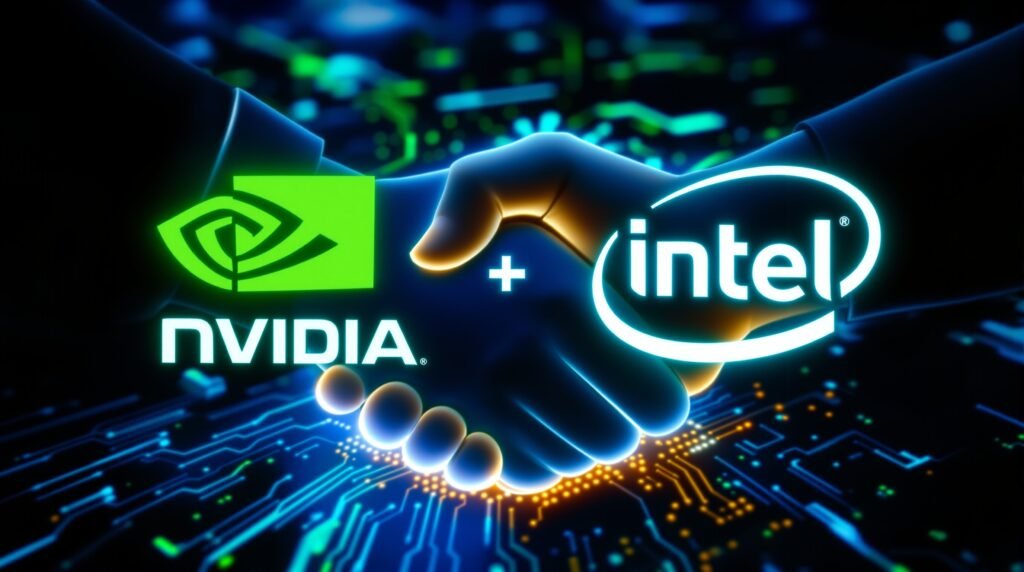
Nvidia invests $5 billion in Intel, marking a pivotal partnership that bolsters Intel’s position amid fierce competition in the AI and semiconductor markets. This deal follows the U.S. government’s acquisition of a 10% stake in Intel, now valued at $14 billion, as part of efforts to strengthen domestic chip manufacturing. The collaboration focuses on co-developing AI infrastructure for data centers and personal computing products, leveraging Nvidia’s expertise in GPUs and Intel’s manufacturing capabilities.
Analysts praise the move as it provides Intel with much-needed capital to accelerate its foundry business and compete with rivals like TSMC. Nvidia’s CEO, Jensen Huang, emphasizes the partnership’s role in advancing AI technologies, stating that joint efforts will yield custom chips optimized for generative AI and accelerated computing. For global consumers, this means faster, more efficient AI-powered devices, from laptops to cloud services.
The agreement also addresses geopolitical tensions, as it aligns with U.S. policies under the CHIPS Act to reduce reliance on foreign semiconductors. Intel’s stock surged 22% following the announcement, reflecting investor confidence. Experts predict this alliance could reshape the chip industry, fostering innovation while mitigating supply chain risks. For more details, visit Reuters’ coverage.
Apple’s “Awe Dropping” Event: Unveiling the iPhone 17 Series and More
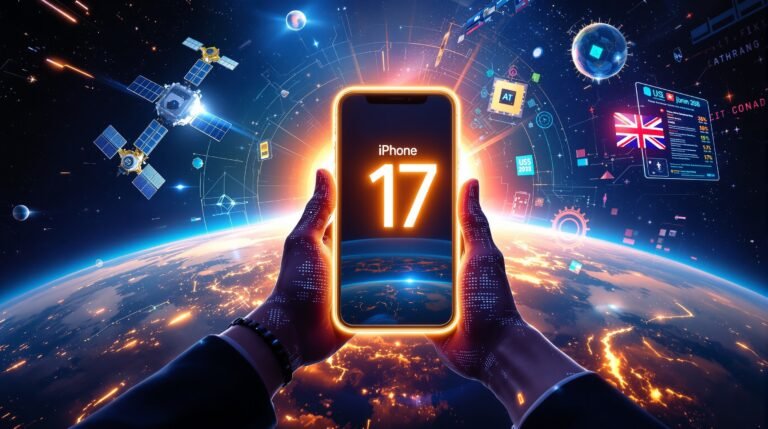
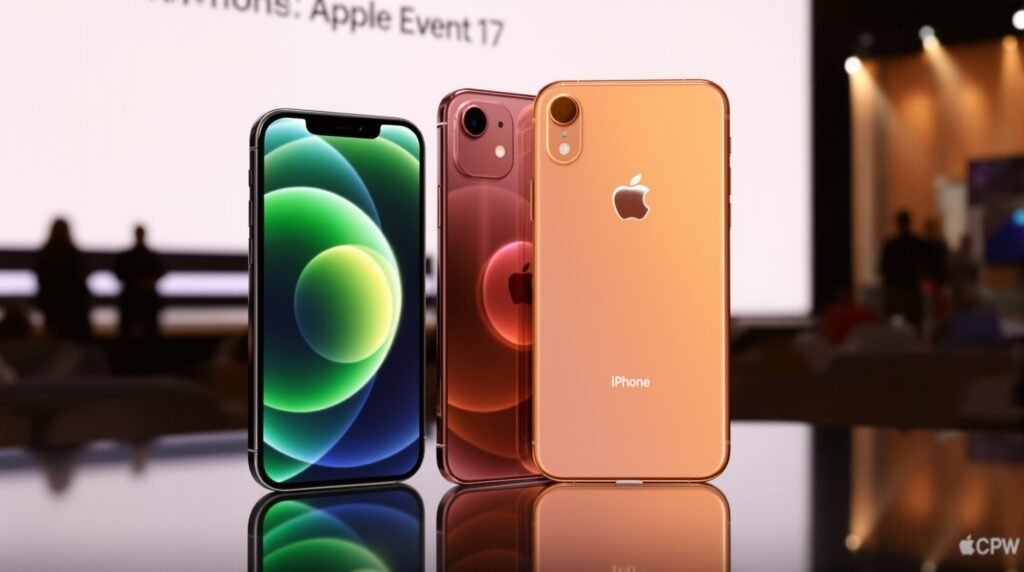
Apple unveils its latest lineup at the “Awe Dropping” event on September 9, 2025, introducing the iPhone 17, iPhone 17 Air, iPhone 17 Pro, Apple Watch Series 11, and AirPods Pro 3. The event emphasizes hardware innovation, AI integration, and health features, signaling Apple’s return to bold design choices.
The iPhone 17 Pro and Pro Max boast the most powerful chips yet, with enhanced AI capabilities for on-device processing, including advanced photography and real-time language translation. The new iPhone 17 Air introduces a slimmer profile, appealing to users seeking portability without sacrificing performance. Apple Watch Series 11 adds improved health tracking, such as advanced sleep analysis and ECG enhancements, while AirPods Pro 3 feature adaptive audio and better noise cancellation.
This launch underscores Apple’s strategy in AI and ecosystem control, with features like Apple Intelligence expanding across devices. Global users benefit from seamless integration, but pricing remains premium, with trade-in values up to $1,100 for older models. Critics note the event’s focus on hardware boldness, potentially setting trends for competitors. Explore the full announcements at Apple’s official newsroom.
Microsoft’s September 2025 Patch Tuesday: Tackling Over 80 Vulnerabilities
Microsoft releases its September 2025 Patch Tuesday updates, addressing approximately 81 vulnerabilities across Windows, Office, Azure, and other products. This batch includes eight critical flaws, such as remote code execution vulnerabilities in Windows Hyper-V and elevation of privilege issues in PowerShell Direct.
Security experts urge immediate application of these patches, as they mitigate risks like denial-of-service attacks and unauthorized access. Notably, none of the vulnerabilities appear actively exploited at the time of release, but proactive updates prevent potential threats. The updates also cover Adobe products, bringing the total to over 86 fixes in some analyses.
For global businesses and individuals, these patches enhance system stability and protect against cyber threats, especially in an era of rising ransomware. Microsoft continues its commitment to monthly security rollouts, helping users maintain trust in its ecosystem. For a detailed breakdown, check CrowdStrike’s analysis.
Tesla Redesigns Pop-Out Door Handles Amid Safety Concerns
Tesla redesigns its pop-out door handles following a federal probe into safety incidents where passengers became trapped in vehicles. The National Highway Traffic Safety Administration (NHTSA) investigates after reports of faulty handles in emergencies, including accidents involving children.
Chief Designer Franz von Holzhausen confirms the changes aim to make handles more intuitive during panic situations, potentially eliminating the pop-out design altogether. Critics have long called the current system unintuitive and dangerous, with redesigns already implemented in some models like those manufactured in Shanghai.
This move responds to global backlash and could set a precedent for electric vehicle safety standards. Tesla owners worldwide should monitor updates for over-the-air software fixes or hardware retrofits. Read more on TechRadar’s report.
Nvidia’s Revolutionary AI Memory Format: Paving the Way for Faster Computing
Nvidia introduces SOCAMM 2, a new memory format for AI GPUs that promises superior performance and could rival emerging standards like LPDDR6. This shift from the scrapped SOCAMM 1 involves broader supplier involvement and potential JEDEC standardization, enabling wider adoption across platforms.
The technology targets AI workloads, offering faster data access and efficiency for generative models. Alongside announcements like the Rubin CPX chip, which boasts 8 exaflops of AI performance, Nvidia solidifies its dominance in the sector. Global developers and enterprises stand to gain from accelerated AI training and inference, reducing costs and energy use.
Despite challenges in markets like China due to bans, Nvidia’s innovations continue to drive the AI revolution. For in-depth insights, visit TechRadar’s article.
Progress on the TikTok US Spinoff: Trump and Xi’s Diplomatic Push
President Trump and Chinese leader Xi Jinping advance discussions on TikTok’s US operations, signaling approval for a spinoff deal involving American investors. The leaders plan a meeting in South Korea to finalize terms, addressing national security concerns over data privacy.
This development resolves years of uncertainty for the app’s 170 million US users, with a consortium potentially owning the American version. Trump highlights the call as a breakthrough, though Beijing seeks concessions. Globally, this impacts social media regulations and US-China relations. Follow updates at Reuters.

Conclusion
September 2025 proves transformative for tech, with deals like Nvidia-Intel reshaping semiconductors, Apple’s launches pushing consumer innovation, and security updates safeguarding users. These stories underscore the interconnectedness of technology, policy, and daily life. As the industry advances, stay tuned for October’s developments—AI and sustainability likely take center stage. For ongoing coverage, subscribe to trusted sources and prioritize device updates for optimal security.